Understanding the Pros and Cons of Hybrid Cars
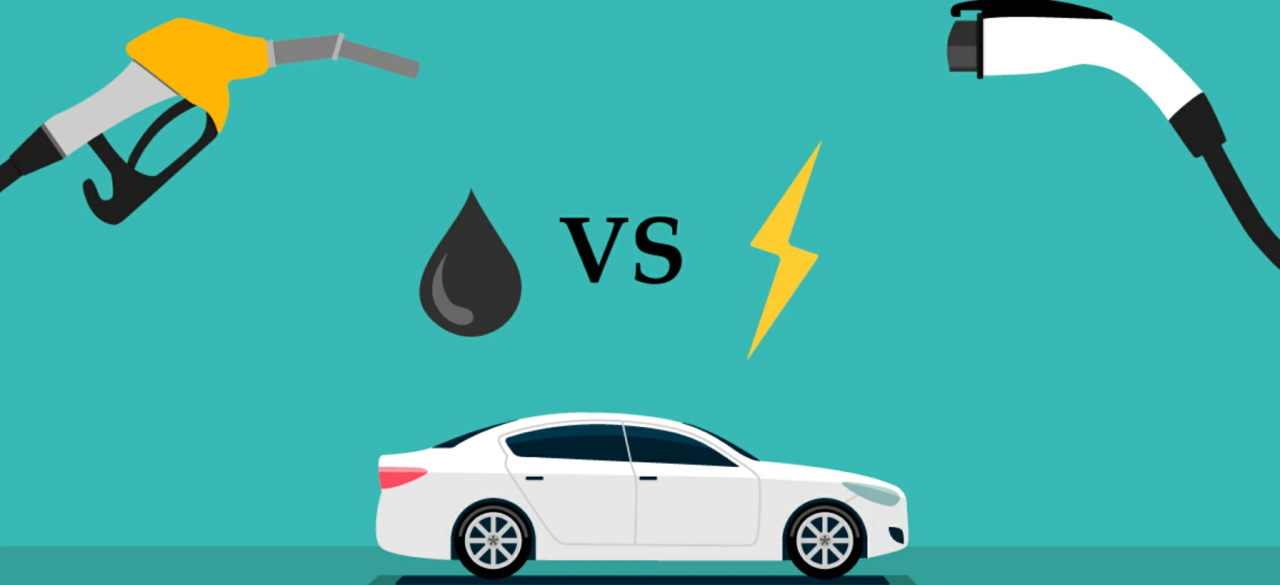
Hybrid cars represent a foundational step in the automotive industry’s transition to electrification, offering a sophisticated blend of traditional internal combustion engine (ICE) power and modern electric drive technology. By combining these two systems, hybrids successfully deliver superior fuel economy and lower emissions without the range anxiety or reliance on external charging infrastructure associated with fully electric vehicles (EVs).
The Core Technological Advantage: Dual Powertrains
The efficiency gains in a hybrid vehicle are engineered through the intelligent cooperation of its components. Unlike conventional cars, hybrids leverage an electric motor and a battery pack in tandem with a gasoline engine.
Regenerative Braking Explained
The most significant fuel-saving mechanism is regenerative braking. In a conventional car, applying the brakes converts the vehicle’s kinetic energy into wasted heat through friction. A hybrid car, however, reverses this process. When the driver slows down or coasts, the electric motor switches its function, acting as a generator. This generator applies resistance to the drivetrain, slowing the car down while simultaneously converting that kinetic energy into electricity, which is then stored in the high-voltage battery. This reclaimed energy is later used to assist the gasoline engine during acceleration or to power the vehicle entirely at low speeds, dramatically boosting efficiency, especially in stop-and-go city traffic. This continuous cycle not only saves fuel but also significantly reduces wear and tear on the conventional friction brakes, leading to lower long-term maintenance costs for brake pads and rotors.
Types of Hybrid Systems
The level of electrification varies across the hybrid market, categorized by their drivetrain architecture:
- Parallel Hybrids: Both the electric motor and the gasoline engine can power the wheels directly, either individually or simultaneously. This is the most common configuration and is highly efficient on the highway.
- Series Hybrids: The gasoline engine acts solely as a generator to charge the battery; the electric motor is the only component that drives the wheels. This is effective for city driving as the engine can run at its most efficient speed regardless of vehicle speed.
- Power-Split (Series-Parallel) Hybrids: This system uses a planetary gearset to blend power from both sources and is considered the most technologically advanced, seamlessly switching between power modes for optimal efficiency across all driving conditions.
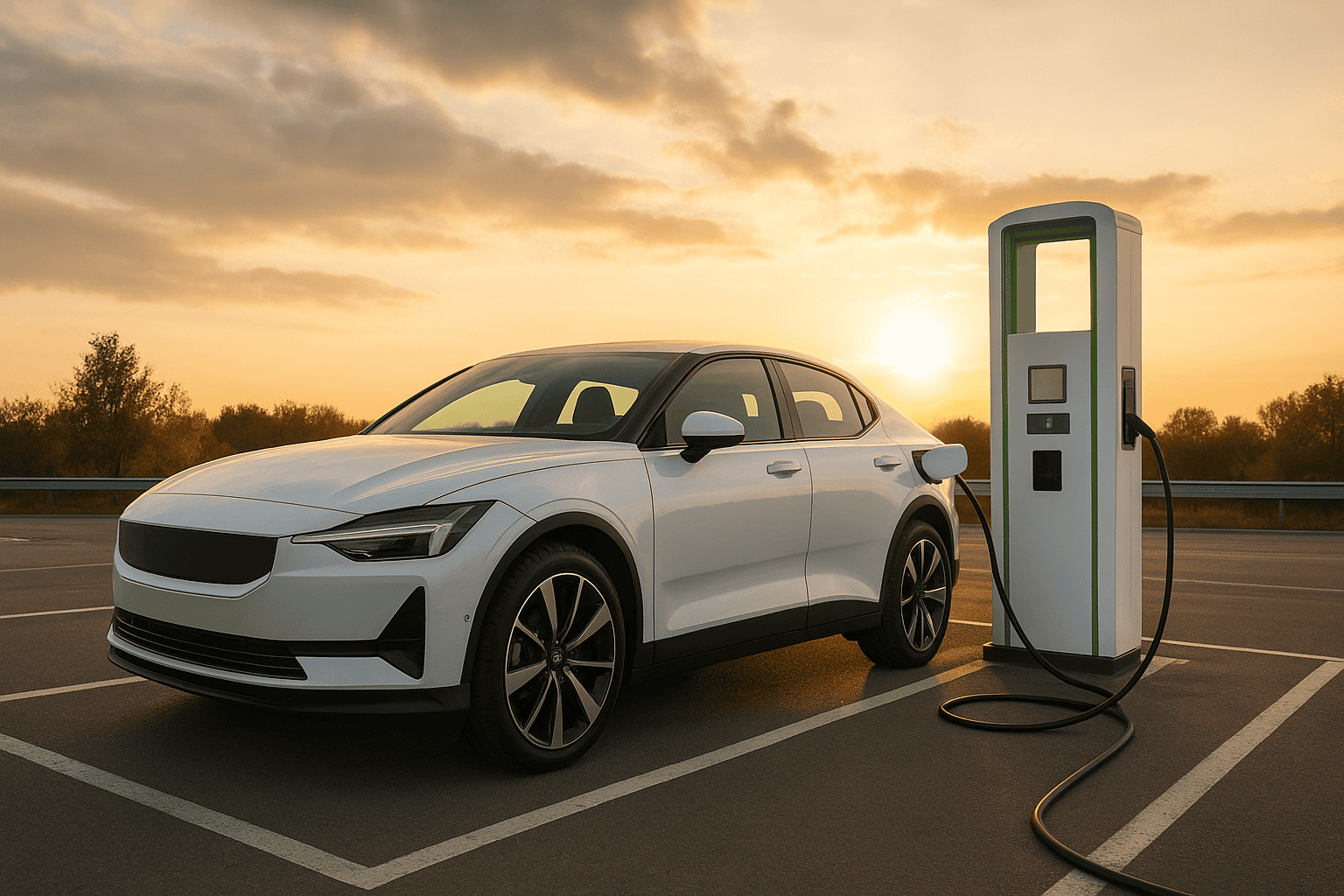
- Plug-in Hybrid Electric Vehicles (PHEVs): Featuring a much larger battery than a standard hybrid, a PHEV can be charged from an external source (plugged in) and offers a significant electric-only range (typically 20-50 miles) before the gasoline engine is required. They offer the closest approximation to all-electric daily driving with the complete reassurance of a gasoline backup for long trips.
Evaluating the Total Cost of Ownership (TCO)
The financial assessment of a hybrid vehicle must extend beyond the initial sticker price to encompass the Total Cost of Ownership (TCO), which includes all expenses over the vehicle’s lifespan.
Financial and Practical Trade-offs
- Initial Purchase Price: Hybrids carry a higher initial cost due to the added complexity of the dual powertrain, the high-voltage battery pack, and sophisticated power management electronics. This is the largest barrier for many consumers.
- Fuel Savings: This offsets the initial cost. Hybrids can achieve 20-35% better fuel economy than comparable conventional vehicles, leading to substantial savings, particularly for drivers with high annual mileage or heavy city driving. However, in regions with low gasoline prices or for drivers with very low mileage, the break-even point for the premium price may take many years.
- Maintenance Considerations: While routine maintenance like oil changes is similar, the advanced nature of the hybrid system can mean that specialized repairs, especially those involving the high-voltage battery or inverter system, require certified technicians and potentially higher labor costs. Crucially, the longevity of modern hybrid batteries has proven excellent, often lasting the entire lifespan of the car, mitigating the common fear of an expensive replacement.
Environmental and Societal Impact
Hybrids deliver a tangible benefit to urban environments and global climate efforts:
- Lower Emissions: By operating on electric power at low speeds and optimizing the gasoline engine’s efficiency, hybrids significantly reduce tailpipe emissions, including nitrogen oxides (
) and carbon dioxide (
), contributing to improved urban air quality.
- Sustainable Transition: Hybrids function as an essential stepping stone technology. They allow consumers to gradually acclimate to electric driving characteristics (quiet, strong electric torque) without needing to install home charging equipment or worry about the sparse public charging infrastructure. This smooth transition is vital for widespread adoption of electric mobility.
- Quiet Operation: The ability to move silently on electric power at low speeds contributes to a quieter, less stressful urban soundscape, benefiting both drivers and city dwellers.