Budget Travel Hacks: Explore More, Spend Less
Ultimately, travel is not defined by how much you spend, but by how wisely and intentionally you plan. By consistently choosing experiences over luxury—a street food feast over a fine dining restaurant, a comfortable hostel over a boutique hotel, a scenic train ride over a short flight—you will discover that budget travel delivers richer, more memorable, and often more authentic adventures. Traveling is frequently perceived as a significant financial undertaking, yet with the right strategic planning, exploring the world is entirely achievable without depleting your finances. The key to successful budget travel lies in being flexible, planning early, and prioritizing local immersion over luxury amenities.
Mastering Transportation and Accommodation Costs
The first golden rule for saving on the biggest expenses—flights and hotels—is timing and flexibility.
- Optimal Booking: Flights and hotels are invariably cheaper when booked during the off-season or mid-week. Be flexible with your travel dates; flying out on a Tuesday or Wednesday often yields substantial savings compared to weekend travel.
- Comparison is King: Always use comprehensive comparison websites and set up flight alert tools (like Skyscanner or Google Flights) to track price fluctuations and seize the best deals as soon as they drop. Booking well in advance, typically 2-3 months out, generally secures the lowest fares.
- Budget Accommodation: Instead of expensive, conventional hotels, consider more affordable and socially rich alternatives:
- Hostels: Offer dormitory beds or private rooms at a fraction of the cost and are excellent hubs for meeting fellow travelers.
- Homestays and Guesthouses: Provide an authentic cultural experience and often better value for money.
- Couchsurfing or House Sitting: For the most budget-conscious, these options can offer free lodging in exchange for minimal effort or simply an exchange of culture.
Smart Strategies for Food and Daily Spending
Daily expenses, particularly food, can silently drain a budget. The solution is to eat like a local.
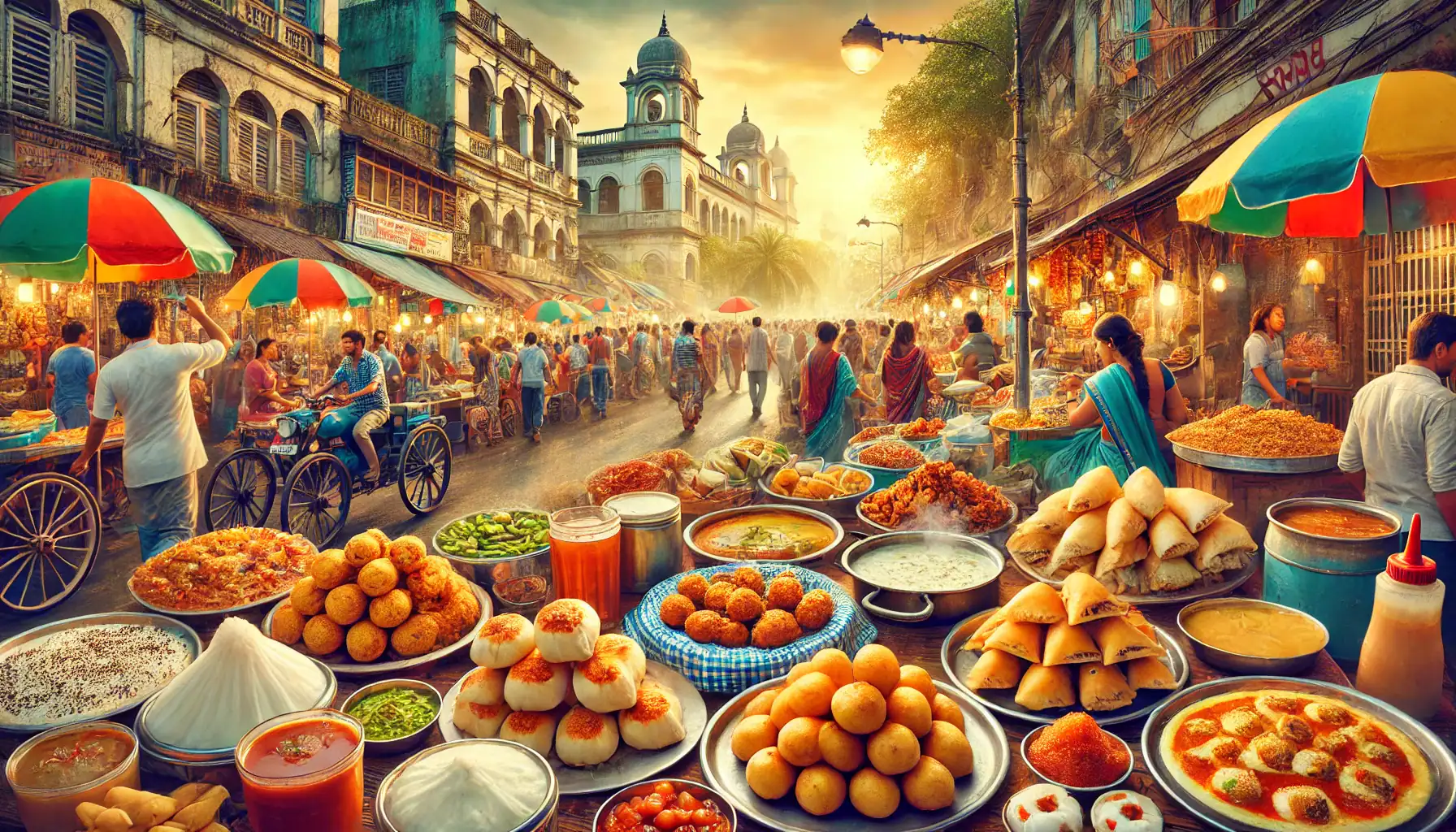
- Authentic and Affordable Dining: Skip the overpriced tourist traps. Eating at small, local eateries, street stalls, and food markets provides a delicious, authentic taste of the culture without the hefty price tag. Look for menus in the local language, which often signifies lower, non-tourist prices.
- Self-Catering: Choosing accommodations with kitchen facilities allows you to shop at local markets and cook your own meals, which is a massive money-saver over restaurant dining.
- Essential Gear: Carrying a reusable water bottle (with a filter if needed) saves you from constantly buying bottled water, and packing light snacks prevents impulsive, high-cost purchases when hunger strikes.
- Local Transportation: For getting around, opt for public transport—buses, trains, and metros—instead of costly private taxis or ride-share services. Furthermore, overnight trains or buses serve a dual purpose: they function as both transportation and a night’s accommodation, saving both time and lodging costs.
The Power of Slow and Smart Travel
A key hack embraced by experienced budget travelers is adopting a philosophy of slow travel.
- Extended Stays: Instead of rushing through multiple cities or countries in a short span, stay longer in one destination. This drastically reduces inter-city transportation costs, often unlocks weekly or monthly discounts on accommodation (especially on platforms like Airbnb), and allows you to experience the place on a far deeper, more meaningful level.
- Free and Discounted Activities: Budget travelers should actively seek out and take advantage of free activities, which are plentiful in most cities:
- Free walking tours (tip the guide generously).
- Visiting public parks, beaches, and non-ticketed natural attractions.
- Utilizing student discounts (if applicable) or purchasing city passes that cover multiple attractions for a discounted lump sum.
Traveling is often seen as expensive, but with the right strategies, you can explore the world without draining your wallet. The first golden rule is timing your bookings—flights and hotels are always cheaper when booked during off-seasons or mid-week. Using comparison websites and flight alert tools can save you a lot of money. Instead of expensive hotels, consider hostels, homestays, or couchsurfing, which not only reduce costs but also provide opportunities to meet locals and other travelers.
Food expenses can also add up, but eating where locals eat—small eateries, street stalls, and food markets—gives you an authentic taste of the culture without the hefty price tag. Carrying a reusable water bottle and light snacks helps you avoid frequent spending. When it comes to transportation, opt for public transport or shared rides instead of private taxis. Overnight trains and buses can also save both time and accommodation costs.
Another key hack is traveling slowly and smartly. Instead of rushing through multiple cities, stay longer in one destination. This reduces transportation costs and lets you experience the place more deeply. Budget travelers should also take advantage of free walking tours, student discounts, and city passes that cover multiple attractions. Remember, travel is not about how much you spend but how wisely you plan. By focusing on experiences over luxury, you’ll realize that budget travel often brings richer, more memorable adventures.