
Common Money Mistakes to Avoid
The good news is that awareness is the first step toward prevention. By recognizing these potential errors, you can take proactive steps to safeguard your finances. Start with a budget that tracks your income and expenses, helping you understand where your money is going and identify areas to cut back. Practice the habit of paying yourself first, allocating a portion of your income to savings before covering discretionary spending.

Common Financial Mistakes and Their Impact:
- Living Paycheck to Paycheck: This habit prevents the accumulation of any financial buffer. It means every dollar is committed to immediate expenses, creating constant stress and making one financially fragile. An unexpected car repair or medical bill can instantly necessitate high-interest debt, trapping the individual in a cycle of financial instability and anxiety.
- Neglecting Savings and Emergency Funds: Without an emergency fund—ideally 3 to 6 months of living expenses—unexpected costs force reliance on high-interest credit cards or personal loans, which aggressively dismantle financial well-being. This negligence fundamentally undermines the ability to handle life’s inevitable curveballs without incurring a significant financial setback.
- Impulsive Spending and Over-relying on Credit Cards: Spending without a budget, often driven by impulse or emotional triggers, leads directly to carrying a credit card balance. The interest charges on high-interest debt rapidly diminish one’s net worth, effectively making every future purchase more expensive and diverting money that could have been saved or invested.
- Failing to Invest for the Future: Delaying investing, especially for long-term goals like retirement, forfeits the power of compounding. Compounding is the process where earnings on your investments begin to earn their own returns. Starting late means you miss years of exponential growth, forcing you to save significantly larger amounts later in life to catch up. A conservative investment approach for long-term goals can also be a mistake, as historical data shows stocks generally outperform safer assets over several decades.
- Underestimating the Importance of Insurance: Insurance is a critical financial safety net. Neglecting adequate health, life, or property insurance exposes one’s accumulated assets to total loss from a single, catastrophic event, such as a major illness, an accident, or a home fire. Without this protection, a single emergency can completely wipe out savings, investments, and even plunge a family into overwhelming debt.
- Taking on Excessive High-Interest Debt: Beyond credit cards, taking on overly large debt for depreciating assets, such as an extravagant car or an unaffordable home, diverts huge portions of income to interest and principal payments. This “lifestyle creep” limits financial flexibility, restricts the ability to save and invest, and increases overall financial stress.
Proactive Strategies for Financial Stability:
- Create and Maintain a Budget: The foundation of financial health. A clear budget, like the 50/30/20 rule (50% for needs, 30% for wants, 20% for savings/debt), helps track expenses, identify overspending, and create a realistic plan for allocating income.
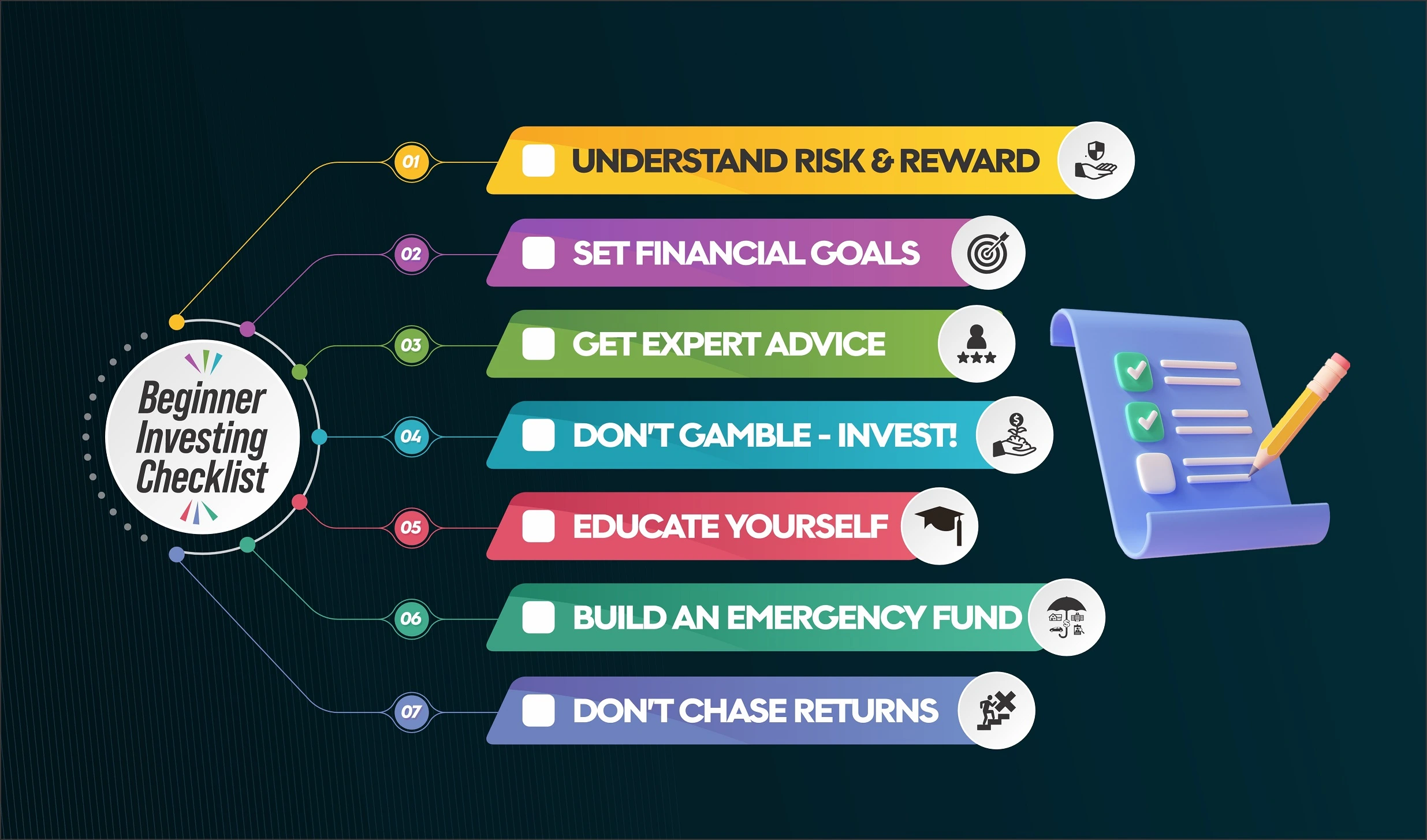
- Pay Yourself First: Automate a portion of your income—ideally at least 20%—directly into savings and investment accounts before covering discretionary expenses. This ensures consistent saving and leverages the power of time.
- Build an Emergency Fund: Prioritize saving 3-6 months of living expenses in a separate, accessible, low-risk account (like a High-Yield Savings Account). This fund protects your investments and credit score from emergencies.
- Prioritize Debt Repayment: Aggressively tackle high-interest debt, like credit cards, first (the “debt avalanche” method). Aim to pay the full credit card balance every month to avoid interest charges entirely.
- Invest Consistently and Wisely: Start investing early, even with small amounts, to utilize compounding. Diversify your investments across different asset classes (stocks, bonds, etc.) and ensure your portfolio risk aligns with your time horizon and financial goals.
Conclusion
Financial mistakes are primarily a lack of a clear plan and the failure to act consistently. By cultivating financial literacy, exercising discipline, and implementing the fundamental strategies of budgeting, saving first, avoiding high-interest debt, and investing consistently, you can secure your financial foundation and build a prosperous future. The key to recovery and long-term stability is early and sustained action.