How to Build an Emergency Fund
An emergency fund is unequivocally the cornerstone of financial security—a dedicated, non-negotiable safety net designed to protect you and your family from life’s inevitable and unexpected twists and turns. In an inherently unpredictable world, the need for a financial cushion cannot be overstated. Unexpected events such as a sudden job loss, a significant medical emergency, urgent major home or car repairs, or unforeseen family obligations can occur without any warning. Without a readily available financial reserve, most individuals are forced into a costly and stressful cycle: they must rely on high-interest credit cards, deplete retirement savings, or take out burdensome personal loans, all of which create deeper long-term financial strain and emotional distress.

Defining the Emergency Fund and the Goal
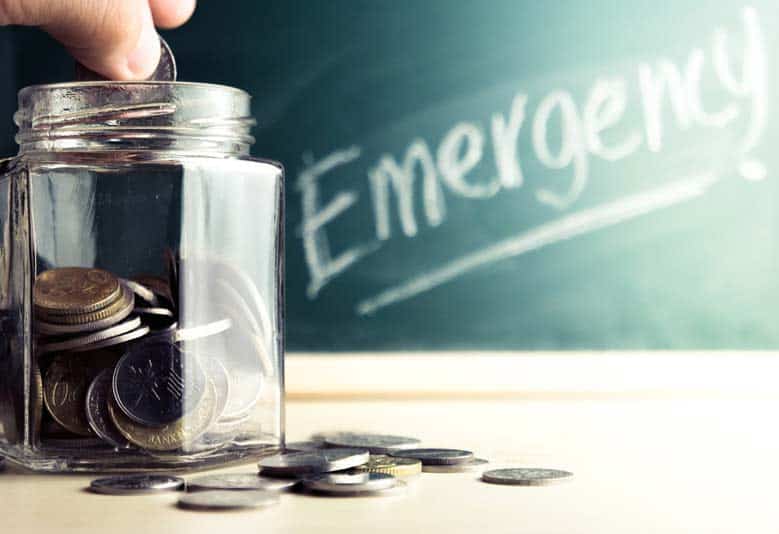
An emergency fund is a pool of money specifically set aside for true financial emergencies, not for discretionary spending or planned purchases.
The Recommended Target: Financial experts and planners widely recommend saving between three to six months’ worth of essential living expenses.
- Three Months: Often recommended for individuals with highly stable employment (e.g., public sector jobs) or those with a dual-income household.
- Six Months (or More): Highly recommended for those in commission-based or contract work, self-employed individuals, those in volatile industries, or single-income households.
Calculating the Goal: To determine your specific target, calculate your essential monthly expenses (rent/mortgage, utilities, groceries, insurance, minimum loan payments, etc.). Multiply this figure by the number of months you have chosen (3 to 6) to arrive at your final savings goal.
The Strategy for Building Your Fund
Achieving the 3-to-6-month target may appear daunting initially, but the key to success is to start small and build with rigorous consistency.
- Automate Your Savings: Treat your emergency fund contribution like any other non-negotiable bill. Set up an automatic transfer from your checking account to your dedicated fund account immediately after every paycheck. Even a modest amount—
or
per week or month—will accumulate faster than you might realize. Consistency is far more effective than trying to save large, sporadic amounts.
- Separate the Money: It is critical to keep this money physically and mentally separate from your main checking and regular savings accounts. This separation prevents the temptation to use the funds for non-emergencies and reinforces the mental discipline required. Look for a high-yield savings account (HYSA) or a similar, easily accessible savings vehicle that offers a slightly better return than a standard bank account. The money must remain liquid (easily accessible) while earning a small return.
- Treat It as Untouchable: Consider the emergency fund as an untouchable financial lifeline. Its purpose is not to fund a vacation or buy a new gadget; it is only for genuine crises. Every time you access it, commit to immediately replenishing it back to its full target level.
Benefits Beyond the Balance Sheet
The impact of a fully funded emergency reserve extends far beyond the monetary amount; it is fundamentally about enhancing your overall quality of life:
- Provides Peace of Mind: Knowing you have a financial cushion eliminates much of the anxiety and stress associated with living paycheck-to-paycheck. When an unexpected event occurs, you can handle it calmly and confidently.
- Prevents Debt Accumulation: The fund serves as your primary defense against high-interest consumer debt. Instead of running up credit card balances, you use your own money, saving you thousands in interest and preserving your credit score.
- Supports Career Flexibility: The buffer allows you to make decisions from a place of stability rather than desperation. If you are unhappy with your job, an emergency fund gives you the freedom to search for a better opportunity, negotiate more effectively, or even walk away if necessary, without the immediate pressure of an empty bank account.
- Protects Long-Term Investments: By covering short-term crises, the emergency fund ensures you do not have to sell long-term assets (like stocks, mutual funds, or retirement investments) during market downturns. This allows your investment portfolio to remain intact and benefit fully from compounding growth.
In summary, creating a solid emergency fund is not a race; it is a gradual, disciplined process of prioritizing your financial health. Every small contribution is a vote for future security. Once established, your emergency fund becomes more than just money—it transforms into a powerful shield that safeguards your financial well-being and provides the indispensable foundation for all your long-term financial goals. With this foundation in place, you are truly prepared to face life’s inevitable uncertainties with confidence.
An emergency fund is the cornerstone of financial security—a dedicated safety net that protects you from life’s unexpected twists and turns. Life is inherently unpredictable. Job loss, medical emergencies, urgent home or car repairs, or sudden family obligations can occur without warning. Without a financial cushion, many people are forced to rely on credit cards or high-interest loans, which often create more stress and long-term financial strain.